
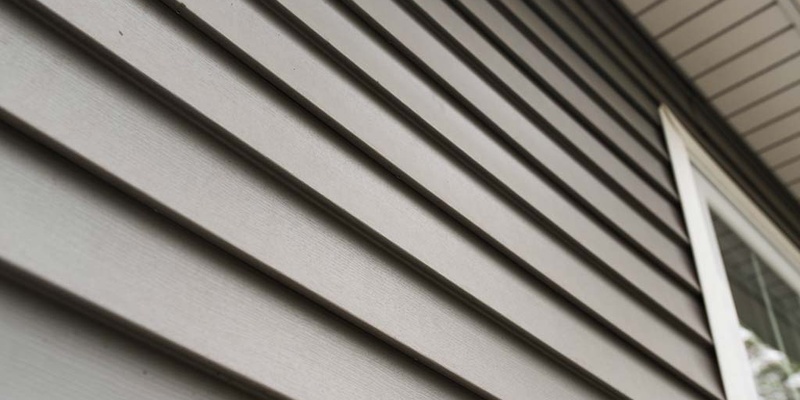
When choosing vinyl siding for your home, the debate between Dutch lap and traditional styles often arises. These two popular options differ in appearance, cost, and installation requirements, making the decision crucial for homeowners looking to balance aesthetics and budget. Dutch lap siding features a distinctive notched profile that creates deeper shadow lines, while traditional lap siding offers a simpler, classic horizontal pattern. This comprehensive comparison explores the differences in pricing, installation costs, leading manufacturers, and the advantages and disadvantages of each style to help you make an informed decision.
Dutch lap vinyl siding, also known as cove or German lap siding, features a distinctive design characterized by a notched or concave curve cut into the top portion of each panel. This creates a decorative shadow line that gives homes a more custom, handcrafted appearance. The style originated from early Dutch and German settlers who hand-carved wooden siding with this distinctive profile to enhance water runoff and improve weather resistance.
Need Flooring Help? Call 877-761-0420 for Local Quotes
The panels typically measure 4-5 inches in height and overlap in a way that creates more pronounced shadow lines than traditional siding. This architectural detail adds visual interest and dimension to a home’s exterior, making it appear more elegant and custom-built. The unique profile also provides structural benefits by creating an additional channel for water to flow away from the house.
What Is Traditional Vinyl Siding?
Traditional vinyl siding, often referred to as clapboard or horizontal lap siding, features straight, overlapping horizontal panels that create a classic, clean appearance. This style mimics the look of traditional wood clapboard that has been used on American homes for centuries, making it a timeless choice for various architectural styles.
The panels typically range from 3 to 7 inches in height and have a simple, beveled design where each panel overlaps the one below it. This creates a subtle shadow line and provides effective water drainage. Traditional vinyl siding offers a straightforward, unembellished appearance that complements a wide range of home designs, from Colonial and Cape Cod to modern suburban styles.
Appearance Comparison: Dutch Lap vs Traditional
The primary visual difference between Dutch lap and traditional siding lies in the shadow lines and overall texture they create on a home’s exterior. Dutch lap siding produces deeper, more pronounced shadows due to its notched profile, giving the home a more three-dimensional appearance. This added dimension can make a house appear more architecturally interesting and historically authentic.
Traditional lap siding creates a more uniform, subtle shadow line that results in a cleaner, more contemporary look. The simpler profile tends to emphasize the horizontal lines of a home, which can make it appear longer or wider depending on the installation. Both styles come in various textures, including smooth finishes and wood grain patterns that mimic natural materials.
| Feature | Dutch Lap | Traditional |
|---|---|---|
| Profile | Concave notch with curved depression | Straight, beveled edge |
| Shadow Lines | Deep, pronounced | Subtle, uniform |
| Visual Texture | More dimensional, ornate | Cleaner, simpler |
| Historical Association | Dutch/German colonial | American traditional |
Price Comparison Between Dutch Lap and Traditional Vinyl Siding
When comparing prices, Dutch lap vinyl siding typically costs 5-10% more than traditional siding due to its more complex manufacturing process. On average, traditional vinyl siding ranges from $3.50 to $8.00 per square foot, while Dutch lap siding runs from $4.00 to $9.00 per square foot for materials alone. This price difference reflects the additional manufacturing steps required to create the notched profile of Dutch lap siding.
Need Flooring Help? Call 877-761-0420 for Local Quotes
For a typical 2,000-square-foot home requiring 2,200 square feet of siding (accounting for waste and overlaps), traditional siding materials would cost between $7,700 and $17,600, while Dutch lap would range from $8,800 to $19,800. The price varies widely based on several factors including thickness (gauge), quality, manufacturer, color options, and whether you choose insulated or non-insulated panels.
Factors Affecting Vinyl Siding Pricing
- Thickness/Gauge: Thicker vinyl (0.044-0.046 inches) costs more but offers greater durability
- Panel Length: Longer panels may cost more but require fewer seams
- Color and Finish: Premium colors and realistic wood textures command higher prices
- Insulation: Insulated vinyl siding costs 20-50% more than non-insulated options
- Warranties: Products with longer warranties typically cost more upfront
Installation Costs and Considerations
Installation costs for vinyl siding depend on numerous factors, with labor typically ranging from $2.50 to $4.00 per square foot regardless of whether you choose Dutch lap or traditional styles. However, Dutch lap siding installation may cost 5-15% more due to the additional care required to properly align the specialized profile and ensure consistent shadow lines.
For a 2,200-square-foot project, installation labor would typically cost between $5,500 and $8,800 for traditional siding, while Dutch lap installation might range from $5,775 to $10,120. These costs can increase significantly if the project involves removing old siding, making structural repairs, or working around numerous obstacles like windows, doors, and unique architectural features.
Installation Complexity Factors
- Dutch lap requires more precise alignment to maintain consistent shadow lines
- Traditional siding installation is generally more straightforward and faster
- Both types require special attention around corners, windows, and trim
- Dutch lap may require more specialized tools and expertise
- Regional labor rates significantly impact overall installation costs
Top Brands for Vinyl Siding
The vinyl siding market features several leading manufacturers known for quality products in both Dutch lap and traditional profiles. These companies offer varying price points, warranty coverage, color selections, and technological innovations that can influence your decision.
| Brand | Price Range | Warranty | Notable Features |
|---|---|---|---|
| CertainTeed | Premium ($7-12/sq ft) | Lifetime limited transferable | Wide color selection, excellent wind resistance, authentic textures |
| James Hardie | Premium ($8-12/sq ft) | 30-year limited | Fiber cement products, exceptional durability, fire resistance |
| Mastic by Ply Gem | Mid-range ($5-9/sq ft) | Lifetime limited | Good color retention, SolarDefense technology, wind resistance |
| Royal Building Products | Mid-range ($5-8/sq ft) | Lifetime limited | ChromaLock technology, good color options, low maintenance |
| Georgia-Pacific | Economy to mid-range ($4-7/sq ft) | Lifetime limited | Cost-effective, decent selection, widely available |
Most of these manufacturers offer both Dutch lap and traditional profiles in various thicknesses, colors, and textures. CertainTeed and Mastic are particularly well-regarded for their Dutch lap offerings, with CertainTeed’s Monogram and Mastic’s Quest series receiving high marks from contractors and homeowners alike.
Pros and Cons of Dutch Lap Vinyl Siding
Advantages of Dutch Lap
- Enhanced Aesthetic Appeal: Creates deeper shadow lines and more visual dimension
- Historical Authenticity: Provides a traditional, handcrafted appearance suitable for colonial and historic home styles
- Improved Water Drainage: The notched design can channel water away from the home more effectively
- Higher Perceived Value: Often associated with premium homes and custom construction
- Distinctive Look: Stands out in neighborhoods dominated by traditional siding
Disadvantages of Dutch Lap
- Higher Cost: 5-10% more expensive than traditional siding
- More Complex Installation: Requires more expertise to install properly
- Potential for More Visible Seams: The pronounced profile can make seams more noticeable
- Limited Style Compatibility: May not complement all architectural styles
- Collects More Dirt: The deeper grooves can accumulate more dust and debris over time
Pros and Cons of Traditional Vinyl Siding
Advantages of Traditional Siding
- More Affordable: Generally costs less than Dutch lap for both materials and installation
- Easier Installation: Simpler profile makes for more straightforward installation
- Versatile Appearance: Complements virtually all home architectural styles
- Wide Availability: More options in terms of colors, textures, and manufacturers
- Easier to Clean: Smoother profile tends to accumulate less dirt and is easier to wash
Disadvantages of Traditional Siding
- Less Distinctive: More common appearance that may look less premium
- Flatter Appearance: Creates less visual dimension and shadow
- Less Historical Character: May not provide the authentic look desired for certain architectural styles
- Less Water Channeling: The simpler profile may not direct water away as effectively
- Can Look Generic: In neighborhoods with many vinyl-sided homes, traditional siding might not stand out
Making the Right Choice for Your Home
When deciding between Dutch lap and traditional vinyl siding, consider your home’s architectural style first. Dutch lap typically complements Colonial, Victorian, and Craftsman-style homes, while traditional siding works well with nearly all styles including Ranch, Cape Cod, and Contemporary designs. Your neighborhood context also mattersâconsider whether you want your home to blend in or stand out.
Budget considerations should include both initial costs and long-term maintenance. While Dutch lap costs more initially, both styles offer similar durability and low maintenance requirements. Climate factors may influence your decision as wellâDutch lap’s better water-channeling abilities might be advantageous in rainy regions, while the simpler cleaning of traditional siding could be beneficial in areas with high pollen or dust.
Finally, consider consulting with a professional contractor who can provide samples of both styles installed on a section of your home. This hands-on approach often provides the clearest picture of how each option will look on your specific property, helping you make the most informed decision for your home’s exterior renovation.
Need Flooring Help? Call 877-761-0420 for Local Quotes