
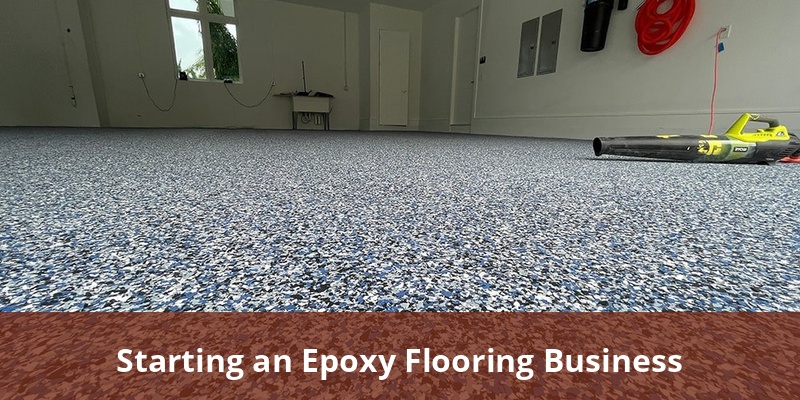
The epoxy flooring industry is booming in the United States as residential, commercial, and industrial clients seek robust, attractive, and easy-to-maintain flooring options. If you’re considering starting an epoxy flooring business, this guide delivers essential insights on legal requirements, startup costs, market trends, equipment, and growth opportunities. You’ll learn how to position your new venture, serve diverse customers, and stand out in a competitive market.
Epoxy Flooring Industry Overview
Epoxy flooring solutions have gained popularity in the U.S. due to their durability, resistance to chemicals, and modern aesthetic. Applications range from automotive garages and warehouses to retail stores and homes. Industry analysis estimates the U.S. epoxy flooring market will exceed $2 billion by 2030, growing at a fast pace as property owners upgrade their flooring.
Need Flooring Help? Call 877-761-0420 for Local Quotes
Diversification—from basic garage floors to decorative metallic finishes and industrial coatings—offers multiple revenue streams for new businesses.
Why Start An Epoxy Flooring Business In The U.S.?
Demand for professionally installed epoxy flooring continues to rise as more Americans invest in home improvements, and businesses prioritize safety and hygiene. This market is attractive because entry barriers are relatively low—requiring limited inventory, mobile services, and moderate startup capital.
Additionally, the business model is scalable: solo operators can expand into larger teams, add multiple service vehicles, and adopt advanced technologies over time.
Required Skills And Certifications
Success in the epoxy flooring business requires proficiency in surface preparation, epoxy mixing and application, and achieving desirable finishes. Many states do not mandate a specific epoxy flooring license, but local regulations may require a general contractor or specialty contractor’s license for jobs above certain dollar amounts.
Seeking training from product manufacturers, trade schools, or industry associations helps reduce costly mistakes and builds credibility with clients. Certifications such as those from the Society for Protective Coatings (SSPC) or NACE International can further distinguish your business.
Business Planning And Market Research
Understanding Market Demand
Research your local area to identify your target customer segments and competitors. Analyze public and private construction trends, real estate development, and the prevalence of facilities with concrete floors. Areas with booming residential housing or industrial activity can indicate higher demand for epoxy flooring services.
Need Flooring Help? Call 877-761-0420 for Local Quotes
Identifying Your Niche
You might choose to focus on residential garage floors, commercial kitchens, industrial warehouses, or decorative designer finishes. Specializing in a specific application or technique often allows you to command higher prices and refine your marketing efforts.
Competitive Analysis
Assess local competitors by reviewing their online presence, service offerings, customer reviews, and pricing. This information helps in determining your unique value proposition and the services that might be underserved in your region.
Legal Requirements And Business Formation
Choosing The Right Structure
Forming a legal entity such as an LLC or S corporation protects your personal assets from business liabilities. LLCs are common for new contractors due to tax flexibility and ease of set-up. Consult a business attorney or use reputable online services to navigate state-specific requirements.
Licenses, Permits, And Insurance
- Business License: Most municipalities require a general business license.
- Contractor’s License: Check with your state contractor’s board for thresholds and specialty licensing.
- Liability Insurance: Protects against property damage and injury claims.
- Worker’s Compensation: Required if hiring employees.
- Bonding: Some states or cities mandate surety bonds for certain types of contracting work.
Contact your local chamber of commerce or state regulatory agencies for current information.
Startup Costs And Financial Planning
Estimated Startup Expenses
| Item | Estimated Cost (USD) | Details |
|---|---|---|
| Equipment & Tools | $7,000–$25,000 | Grinders, mixers, sprayers, safety gear |
| Initial Inventory | $2,000–$5,000 | Epoxy resin, hardeners, additives |
| Vehicle (if needed) | $10,000–$30,000 | Truck or van for equipment transport |
| Business Registration & Licensing | $200–$2,000 | LLC fees, contractor’s license |
| Insurance & Bonding | $1,000–$3,000/year | General liability, worker’s comp, bond |
| Advertising & Website | $1,000–$3,000 | Website, business cards, digital ads |
| Total Estimated Startup | $21,200–$68,000 |
Variations depend on your initial scale and market. Leasing, buying used, or partnering with suppliers can lower upfront costs.
Equipment And Materials Needed
Essential Tools For Epoxy Flooring Projects
- Concrete Grinders and Shot Blasters: Prepare surfaces for epoxy adhesion.
- Mixers: Ensure even blending of resins and additives.
- Squeegees and Rollers: Apply and spread epoxy layers smoothly.
- Respirators and Protective Gear: Maintain safety during application.
- Industrial Vacuums: Cleanup and debris removal.
- Measuring and Moisture Testing Equipment: Ensure proper curing and substrate conditions.
Investing in high-quality tools boosts job efficiency and long-term profitability.
Epoxy Flooring Materials
- Epoxy Resins and Hardeners: Core material for the flooring.
- Primers and Sealers: Enhance adhesion and durability.
- Aggregates & Color Chips: Add decorative textures and non-slip features.
- Anti-Slip Additives: Improve safety for clients.
- Special Finishes: Metallic pigments, urethane topcoats, and flakes for designer looks.
Source from reputable national or local suppliers to maintain consistent product quality and supply chain reliability.
Step-By-Step Process To Start Your Epoxy Flooring Business
- Education & Training: Attend manufacturer or industry training to learn technical skills and stay updated on best practices.
- Write A Business Plan: Define your market, service focus, pricing, marketing strategy, and financial projections.
- Register Your Business: File for an LLC or corporation, obtain an EIN, and apply for the necessary licenses and permits.
- Secure Tools, Materials, And Insurance: Purchase essential equipment, inventory, and appropriate insurance coverage.
- Develop A Brand And Online Presence: Build a professional website, set up business profiles on Google and social media, and design vehicle and uniform branding.
- Network With Local Contractors: Forge partnerships with general contractors, home builders, and real estate agents for a steady stream of project referrals.
- Launch And Market Your Services: Run introductory promotions, gather testimonials, and encourage online reviews to build trust and credibility.
Following these steps lays a strong foundation for long-term growth.
Need Flooring Help? Call 877-761-0420 for Local Quotes
Pricing Strategies For Epoxy Flooring Services
Pricing is influenced by local market rates, service complexity, materials used, and project size. In the U.S., epoxy flooring jobs typically range between $4 and $13 per square foot, with higher-end designer finishes commanding premium rates.
Many contractors offer free estimates. Building a transparent pricing model—itemizing labor, materials, and prep work—builds trust and sets expectations with clients.
Marketing Your Epoxy Flooring Business
Online Marketing Essentials
- SEO-Optimized Website: Ranking for keywords such as “epoxy flooring near me” or “garage floor coating” in your area increases inquiries.
- Social Media: Showcase project before-and-after photos on platforms like Instagram and Facebook to engage potential clients.
- Google My Business: Completeness and frequent updates improve local search visibility.
- Positive Reviews: Encourage satisfied customers to post reviews on Google, Yelp, and Angi.
Establishing a strong online reputation fuels word-of-mouth and organic growth.
Offline Marketing Tactics
- Networking: Join local chamber of commerce, builders associations, and attend trade shows.
- Flyers And Mailers: Target neighborhoods with older homes or large garages.
- Vehicle Branding: Use eye-catching signage on your business vehicle for free advertising.
- Referral Incentives: Reward past clients and contractors who refer new business.
Combining digital and traditional strategies helps reach diverse clients efficiently.
Customer Service And Project Management
Quality customer service is critical for repeat business and referrals. Respond promptly to inquiries, provide detailed proposals, and educate clients about prep work, curing times, and care instructions. Invest in project management tools to schedule jobs, track progress, and invoice efficiently.
Providing clear expectations and updates builds client trust and satisfaction throughout each project.
Common Challenges And How To Overcome Them
- Environmental Factors: Humidity, temperature, and subfloor moisture can affect epoxy performance. Use proper testing tools and adjust techniques as needed.
- Bubble Formation: Thorough surface cleaning and correct mixing prevent bubbles and imperfections.
- Client Expectations: Educate clients about post-installation care to avoid unnecessary callbacks or dissatisfaction.
- Scaling Operations: When scaling, invest in training additional staff and maintaining consistent quality controls.
These solutions help uphold your reputation and maintain profitability.
Industry Trends And Business Growth Opportunities
- Decorative Epoxy: Metallic finishes, 3D effects, and custom logos are in demand among residential and commercial clients seeking unique spaces.
- Green Solutions: Eco-friendly and low-VOC epoxy systems appeal to environmentally conscious customers.
- Maintenance Contracts: Offer regular cleaning or recoating services for commercial and industrial clients to ensure long-term relationships and recurring revenue.
- Technology Integration: Leverage project management software for client communications and workflow optimization as you grow.
Adapting to these trends keeps your business relevant and competitive.
Frequently Asked Questions About Starting An Epoxy Flooring Business
| Question | Answer |
|---|---|
| Is certification required? | No, but training and optional industry certifications increase trust and quality. |
| How profitable is epoxy flooring? | Profit margins typically range between 40-60%, depending on service mix, efficiency, and market. |
| What are common mistakes? | Poor surface prep, incorrect mixing ratios, and underestimating costs are frequent errors to avoid. |
| Can you start part-time? | Yes, many contractors begin on weekends or evenings, then transition to full time. |
Proper preparation, training, and smart business planning are your keys to success.
Additional Resources And Associations
- American Coatings Association: Industry news and best practices.
- NACE International: Certification and training opportunities.
- SSPC: The Society for Protective Coatings: Standards and resources for coatings professionals.
- SCORE: Free business mentoring and planning tools.
- Small Business Administration: Funding, licensing, and compliance guidance.
Key Takeaways For Future Epoxy Flooring Business Owners
- The U.S. epoxy flooring market is diverse, growing, and accessible to new contractors.
- Investing in professional training, legal compliance, and quality equipment sets the stage for a strong start.
- Effective marketing—both online and local—will help you secure your first projects and build a credible reputation.
- Networking and continuous skill development are critical for scaling and long-term resilience.
Pursuing the right preparation and following best practices can lead to a rewarding, profitable business in the U.S. epoxy flooring industry.