
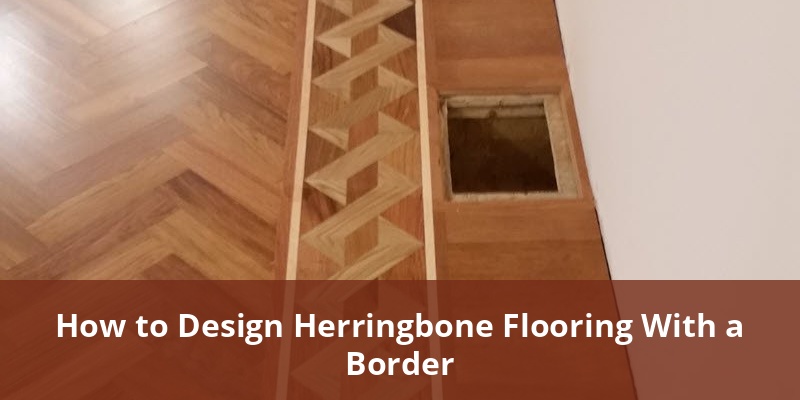
Herringbone flooring offers a distinctive look that complements many interior design styles. Adding a border to this classic pattern enhances its custom feel and helps frame the floor’s central design. Professionals and DIY enthusiasts alike can benefit from a solid understanding of layout, material choices, and installation methods. This article explores core concepts behind creating herringbone flooring with a border and provides valuable tips to ensure a long-lasting, visually appealing result.
Understanding The Basics Of Herringbone Flooring
Herringbone flooring is characterized by its zigzag arrangement, creating a timeless, woven aesthetic. The boards are usually placed at a precise angle, forming repeating Vs across the surface. This rhythmic layout offers both strength and elegance, making it popular in residential, commercial, and hospitality environments.
While historically found in grand estates, herringbone flooring now spans across modern homes, blending traditional craftsmanship with contemporary design. The pattern’s versatility allows it to pair well with various wood species, stains, and finishes.
Why Add A Border?
The border acts like a frame, highlighting the intricate pattern inside. In larger rooms, borders help delineate open spaces and can prevent the design from feeling overwhelming. They also reduce the need for excessive cuts at the perimeter, simplifying the installation and creating a polished, unified look. Additionally, integrating a contrasting wood tone or color can further accentuate the herringbone pattern, turning the floor into a standout architectural feature.
Selecting Materials And Tools
Any successful herringbone project hinges on having the right materials and tools. Solid hardwood planks or engineered wood are popular for their durability and visual appeal. The key is to select boards that are dimensionally stable and rated for the intended space, whether it’s a busy household or a light commercial setting.
Tools To Gather
- Miter Saw/Gesture Saw: Ensures precise cuts for borders and angled edges.
- Jigsaw: Ideal for detail work around vents and other irregular shapes.
- Flooring Nailer Or Stapler: Streamlines the installation process.
- Tape Measure: Essential for planning layout and calculating material requirements.
- Chalk Line: Helps achieve straight reference lines.
- Rubber Mallet: Useful for tapping boards into place without causing damage.
Durable subflooring, adhesives (if glue-down), and fasteners (if nail-down) must be selected based on the type of wood and substrate involved. Choosing the proper underlayment also ensures noise reduction and stability.
Planning And Preparation
Careful planning is vital for any herringbone floor design, especially when incorporating a border. Professionals often measure and mark the room’s centerline, determining reference points for the herringbone layout. A well-defined layout helps avoid misalignment, which can disrupt the pattern’s flow.
Checking subfloor conditions is also crucial: it must be level, dry, and clean. Address any imperfections before installation to ensure a smooth, consistent finish. In accordance with guidance from the National Wood Flooring Association (NWFA), acclimatizing wood planks in the installation space is recommended for at least a few days to avoid issues like warping or cupping later.
Room Shape And Function
Assess the room’s geometry to decide whether to position the herringbone pattern along the length or width. In narrower spaces, laying the pattern lengthwise can visually extend the room. Meanwhile, deciding where to place the border involves analyzing furniture placement and natural walkways. Placing the border under the walls’ trim can further unify the interior look, removing the need for quarter rounds or additional trim pieces.
Laying Out The Herringbone Pattern
The herringbone pattern typically involves blocks cut to a 2:1 ratio (length to width). For instance, a common size might be 8 inches by 4 inches or 12 inches by 6 inches. Consistency in plank dimensions ensures neat alignment and stable construction. Each piece interlocks with its neighbor at a right angle, forming the hallmark zigzag aesthetic.
Once the chalk line defines the center, installers align the first row of boards from that reference, working outward. Every subsequent row builds upon the previous one, ensuring each piece’s tongue and groove fit snugly. Proper alignment at each stage is vital, as even slight deviations become noticeable over a larger area.
Maintaining Alignment And Precision
A measuring tape and spacing blocks can help keep the herringbone pattern precise. If the pattern starts drifting off-center, the entire design may look skewed. Continual reference to the chalk lines will help maintain a sharp, symmetrical appearance. Applying consistent pressure and checking each board’s connections is essential for achieving a seamless appearance.
Designing And Installing The Border
The border not only enhances the aesthetic but also frames the herringbone pattern, lending cohesion to the overall design. Determining the border’s width and layout is a key initial step. Many opt for a single-row border, but a double or triple-row border can add extra emphasis to the transition between the wall and the main flooring pattern.
First, measure and mark the floor where the herringbone pattern will end and the border begins. If a contrasting color or wood species is used, ensure consistent plank thickness to avoid height differences. Once the border’s perimeter is clear, cut the herringbone blocks along the established line to fit seamlessly into the border area.
Incorporating A Contrasting Border
Choosing a contrasting border color or species can highlight the pattern’s sophistication. For instance, pairing walnut strips around a lighter oak herringbone offers dramatic contrast. In some designs, the border itself may include a simpler pattern, such as a single or double row of planks, providing a baseline from which the decorative main floor emerges. This method elevates the entire room’s visual impact, giving it a refined and professional edge.
Tips For A Smooth Installation Process
The layout can be complex, but breaking it down into manageable steps can streamline the process. Pros advise preparing extra planks to allow for errors or wood imperfections. Keeping several backup pieces that match the color and grain ensures that any miscut piece can be swiftly replaced.
- Dry-Fit Sections: Fitting a few rows without adhesives or nails helps confirm alignment.
- Maintain Clean Workspaces: Sawdust and debris can disrupt accurate fitting.
- Use Quality Fasteners And Adhesive: Prevent plank shift over time by using reliable installation materials.
- Check For Squareness: Measure diagonals regularly to be sure corners remain right angles.
Enhancing Stability: Glue-Down Vs. Nail-Down Methods
Herringbone flooring can be installed via glue-down or nail-down methods. The decision depends on personal preference, subfloor type, and desired sound absorption. A glue-down method offers a sturdier finish across concrete subfloors or where noise minimization is critical. Nail-down (or staple-down) is popular for plywood subfloors and can be faster for experienced installers.
Each approach has benefits, but proper acclimatization and subfloor preparation remain crucial. Overlooking these steps can lead to early failures or costly repairs. Using the correct bonding agents and following guidelines from the wood manufacturer ensures a long-lasting result.
Detailing Around Obstacles And Transitions
Rooms often contain vents, doorways, and other obstacles that must integrate with the herringbone design. Taking time to measure and cut boards accurately around these areas preserves the uniformity of the pattern. A jigsaw is typically used to handle intricate cuts. Proper planning ensures that the overall consistency of the pattern remains intact, even in tricky spots.
Transitions to other flooring types, like tile or carpet, may require reducer strips or T-moldings. These transition pieces help secure the edge of the wood flooring and create a smooth movement between rooms. Color coordination with the border ensures these transitions remain visually cohesive.
Table Of Common Wood Species For Herringbone Borders
| Wood Species | Color Range | Popularity For Borders |
|---|---|---|
| Oak | Light Tan To Medium Brown | High |
| Walnut | Chocolate Brown To Purplish Hue | Medium |
| Maple | Light Cream To Pale Brown | Moderate |
| Hickory | Light To Dark Brown With Varied Grain | Moderate |
This chart highlights some common woods used for both herringbone and border designs. Pairing contrasting species often yields striking visual effects, while using the same species in different stains can be equally appealing.
Finishing And Sealing The Floor
A protective finish not only showcases the wood’s beauty but also extends its lifespan. Polyurethane remains a popular choice for its durability, water resistance, and easy maintenance. For a more natural look, penetrating oils can enhance wood grain while allowing the material to breathe. Selection depends on traffic levels and desired aesthetic.
After applying the chosen finish, allow it to cure fully before placing furniture. Protecting the surface during curing reduces the likelihood of scuffs and ensures an even seal. Following manufacturer guidelines will help achieve a smooth, blemish-free result.
Buffing And Polishing
Once the finish is properly cured, buffing the surface helps create a consistent sheen. Some contractors recommend a light buff before applying the second or third coat of finish, which can enhance adhesion and sheen uniformity. Regular polishing thereafter can keep the floor looking pristine while revealing the subtle details of the herringbone pattern.
Maintenance And Long-Term Care
The beauty of herringbone flooring lies in its resilience, but proper maintenance is key to longevity. Sweeping or vacuuming regularly removes grit that can dull the surface. Using recommended wood cleaners rather than harsh chemicals helps preserve finish quality. Placing felt pads under furniture legs prevents scratches, and area rugs in high-traffic locations reduce wear.
For deeper cleaning, follow guidelines specific to the chosen finish. Periodic refinishing or resealing may be required, but such efforts ensure the floor remains vibrant and structurally sound for decades.
Humidity And Climate Considerations
Wood naturally expands and contracts with changes in humidity. Maintaining a stable internal climate between 30% to 50% relative humidity helps keep the floor from warping. Using a humidifier in dry climates or a dehumidifier in humid regions can be beneficial. Consistent climate control extends the floor’s structural integrity and preserves the tight seams essential for herringbone designs.
Final Thoughts On Herringbone Flooring With A Border
Designing and installing herringbone flooring with a border adds a layer of sophistication that elevates any interior. By carefully selecting materials, planning the layout, and following precise installation procedures, the unique beauty of this classic pattern can be preserved for years. A harmonious blend of artistry, practicality, and attention to detail defines a successful herringbone design with a stylish border, turning ordinary floor surfaces into a refined focal point.